
Competition
Padel Becomes an Asian Games Medal Sport at Aichi-Nagoya 2026
Padel has joined the medal programme for the 2026 Asian Games in Aichi-Nagoya, Japan, giving the sport a new continental stage within one of Asia's major multi-sport events. The Olympic Council of Asia announced the addition on 6…
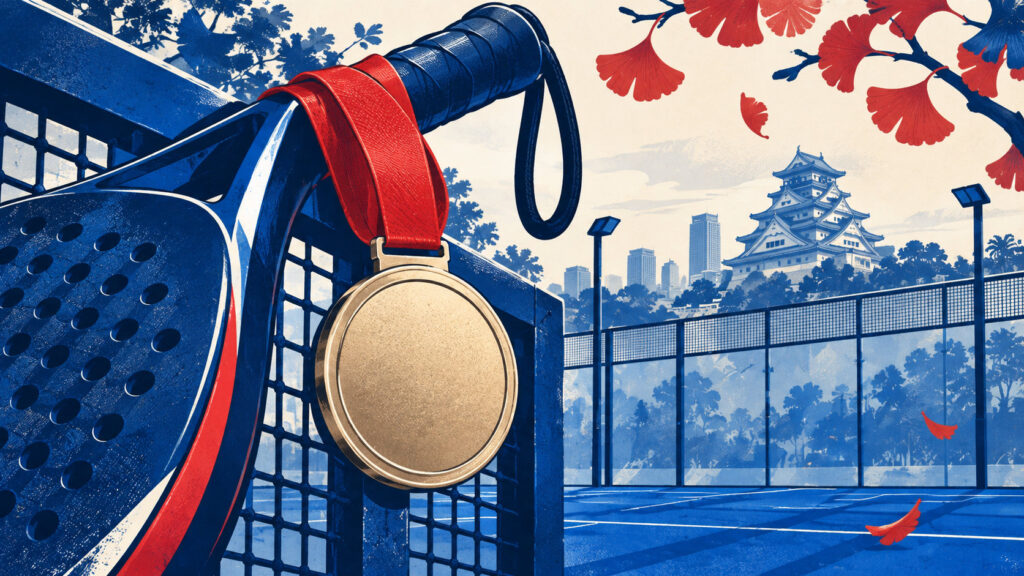
Padel has joined the medal programme for the 2026 Asian Games in Aichi-Nagoya, Japan, giving the sport a new continental stage within one of Asia’s major multi-sport events. The Olympic Council of Asia announced the addition on 6 March, following a circular sent to its national Olympic committees the previous day.
The wider Games run from 19 September to 4 October. FIP lists the padel competition for 28 September to 3 October, placing the sport in the latter part of the programme and creating a defined target for national partnerships preparing to compete.
From tour partnerships to national representation
An Asian Games appearance changes the setting around the familiar doubles contest. Players enter as part of a country’s delegation, with their performances contributing to the national sporting campaign. The match remains a contest between partnerships, but the surrounding identity is collective.
That can make the sport easier to follow for people who do not normally track individual tour events. A national pair provides an immediate connection, while the draw and medal competition give the event a clear shape. Supporters can begin with their own team and learn about the wider field through its opponents.
For the athletes, that visibility comes with a practical task. They need to prepare a shared game that can stand up to the accepted opposition, rather than rely on the significance of the occasion. The programme announcement creates the opportunity; performance determines what is achieved within it.
The formal entry process also matters. OCA’s announcement referred to entry-by-number and entry-by-name procedures through the organising committee. Those stages turn a country’s intention to participate into the athletes and partnerships appearing in the competition.
Thailand has players to follow
Thailand’s announced squad included Arnav Rawal and Stefano Mocciola for the men, with Natalie Narkprasert and Dares Srirungreang named for the women in July reporting. Their selection gives Thai followers identifiable athletes around whom to follow the preparations.
The announcement is a selection record, while the final tournament entries and any substitutions belong to the Games process. For supporters, both stages are relevant: one identifies the planned team, and the other establishes the field that actually takes part.
A small doubles squad puts considerable importance on partnership preparation. Players need clear responsibilities, a shared response to difficult situations and enough familiarity to make decisions quickly. International opponents will test the spaces between them as much as their individual shots.
That is where experience from club, domestic and regional events can become useful. Previous matches supply information about pressure and unfamiliar styles, but the Asian Games draw remains a separate challenge with its own conditions and opponents.
What a medal programme adds
The addition gives padel a place alongside other sports in a continental multi-sport programme. It offers a new kind of public visibility and a national-team objective beyond the regular tournament calendar. Those are specific changes in the sport’s competitive setting.
They do not automatically measure how many people play in each country or guarantee an immediate increase in local participation. The everyday route into padel still depends on courts, accessible games and instruction. A major event can provide an aspiration while those local opportunities provide the means to begin.
For younger players, seeing a national partnership compete can make that aspiration more concrete. The athletes become examples of where sustained development might lead, even though reaching that level requires much more than a first successful club tournament.
Aichi-Nagoya 2026 gives the sport that new reference point. With padel on the medal programme and a late-September competition window, attention can move from inclusion to the athletes preparing to use it. The significance of the decision will be expressed most directly through the partnerships on court, the opponents they face and the results that become part of the Asian Games record.
Reader comments
Share your view. Your email address will not be published.
Leave a Reply