
Competition
Manila’s APPC 2026 Brings Ten Teams into a Shared Regional Contest
The Asia Pacific Padel Cup returned to Manila from 25 to 28 June 2026 for its third edition, with the organiser announcing ten teams from seven countries across professional and amateur draws. Play Padel McKinley hosted the competition…
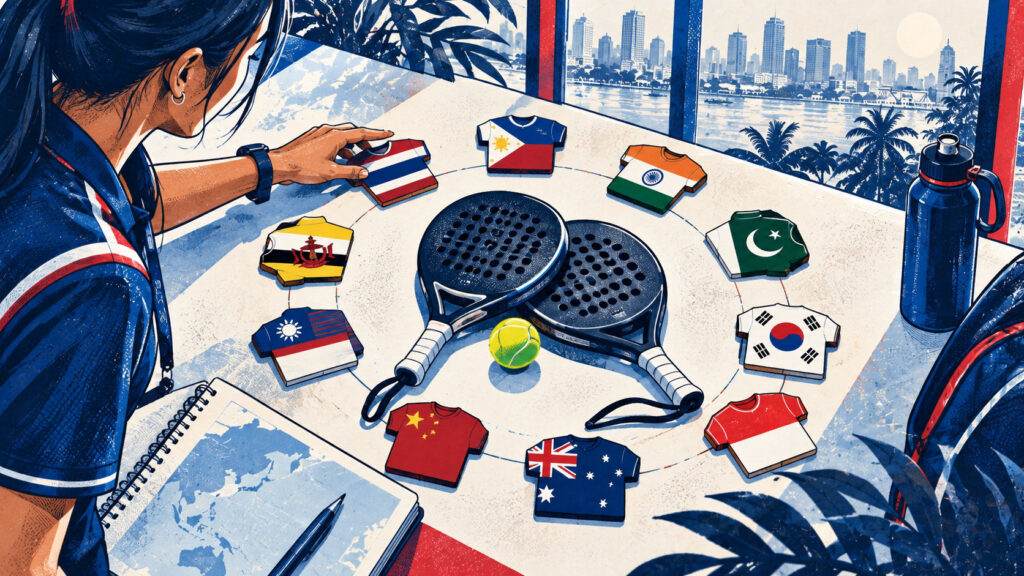
The Asia Pacific Padel Cup returned to Manila from 25 to 28 June 2026 for its third edition, with the organiser announcing ten teams from seven countries across professional and amateur draws. Play Padel McKinley hosted the competition, with Padel Pilipinas organising the home event.
Thailand appeared through the PadThai Padel Thailand Team in the professional category. The team finished fourth in that competition, with defeats to the Philippines and India in the final stages providing the closing results of its Manila campaign.
A cup decided collectively
APPC’s format combines results across men’s, women’s and mixed competition. The organiser’s description places those contributions within an overall team standing, giving individual matches a role beyond the success of one partnership.
That changes the way a tournament is experienced. Players need to focus on their own opponents while remaining part of the wider group’s effort. A strong result in one category can support the team, and another partnership may then carry the next part of the challenge.
For supporters, the format creates several points of interest within one tie. The national or club identity gives the group continuity, while different pairs take turns contributing on court. The story can remain open across several matches rather than end with one pair’s result.
Ten teams from seven countries also means that the team total and country total describe different things. Professional and amateur entries can come from the same country, so the event should not be imagined as ten separate national delegations in one identical draw.
Thailand among the professional teams
The announced professional field included teams from South Korea, Thailand, the Philippines, India and Pakistan. The amateur competition added other entries, including debut representation from Taiwan and Brunei in the organiser’s account.
For Thailand, the professional campaign offered another comparison against regional opposition. Its fourth-place finish is the relevant outcome within that division, separate from the results of the amateur draw and from other national-team championships.
Team competition can make the depth of a group more visible. A single strong partnership is valuable, but a format drawing on several categories asks more players to contribute. The overall result reflects the combination rather than one athlete’s ranking position. It also makes a response to an earlier defeat a collective task, with teammates still able to contribute through their remaining matches.
That is useful experience for a developing national scene. Players encounter the responsibilities of representing a group, supporting other partnerships and staying prepared while the wider tie changes. Those demands sit around the technical work of their own matches.
A third edition with a recent history
APPT’s preview identified Indonesia as the inaugural APPC winner in Bali in 2024 and the Philippines as the 2025 champion in Kuala Lumpur. Manila therefore hosted the next chapter with the Philippines entering as defending champion on home soil.
The changing destinations give the competition a regional shape. Different communities host the event, while returning teams carry memories and previous results into the next edition. New entrants add another layer by joining a contest that already has a short history.
For participants, that history can establish expectations, but the current draw remains decisive. A defending title does not play the next match, and a previous placing does not fix the result of a new campaign. Each team must perform through the event in front of it.
Manila’s 2026 edition gave those teams a shared setting at Play Padel McKinley. Its ten-team programme combined professional and amateur competition, returning entrants and new country representation. Thailand’s fourth place supplied a specific reference for Thai followers, while the wider format showed how men’s, women’s and mixed partnerships could contribute to one collective sporting task. The cup’s identity came from that combination of individual matches and a result pursued together.
Reader comments
Share your view. Your email address will not be published.
Leave a Reply