
Asia
Asia’s Padel Story: Clubs, Circuits and National Teams Build Different Parts of the Game
Asia's padel development is visible through several different kinds of sporting milestones. A club opening creates somewhere to play, a tournament brings opponents together and a national-team competition gives athletes a chance to represent their country. Each contributes…
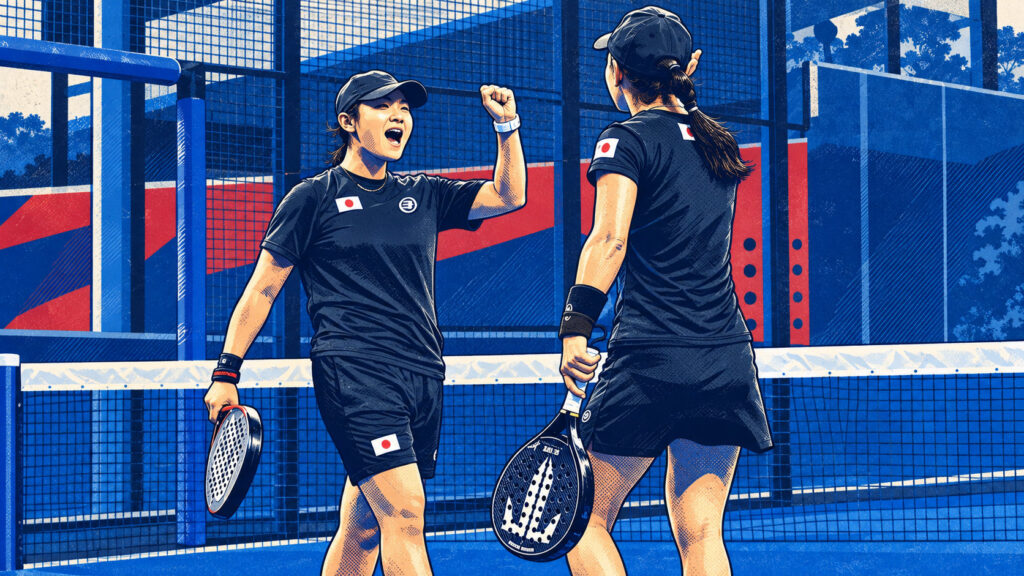
Asia’s padel development is visible through several different kinds of sporting milestones. A club opening creates somewhere to play, a tournament brings opponents together and a national-team competition gives athletes a chance to represent their country. Each contributes to the game in a different way.
Thailand sits within that wider picture through its clubs, domestic competitions, regional APPT events and FIP calendar dates. The country’s international federation affiliation, listed by FIP from 2019, supplies another institutional connection alongside the activity taking place on court.
The first useful milestone is a game
For an individual player, the sport begins with access to a court and people to play with. A new facility can create that possibility in an area where it was previously difficult to arrange a session. The next step is turning an initial visit into a regular game.
That requires more than a building. Beginners need a manageable introduction, returning players need suitable opponents and partnerships need enough continuity to improve together. The people organising ordinary sessions give physical courts a sporting life.
This is why a club’s role is best understood through what it enables. Lessons, social games and local competitions can serve different players while sharing the same venue. A visitor and a resident may use the club in different ways, but both contribute to the community around the courts.
Claims about the very first court in a country or a continent address a separate historical question. A dated opening establishes that facility’s place in time; it does not automatically rule out earlier activity elsewhere. The local sporting contribution can be meaningful without requiring a continental superlative.
Circuits connect the locations
Tournaments create another layer by giving players a reason to move between venues and face unfamiliar opponents. A circuit links those occasions through a calendar and its own competition rules, making separate weekends part of a recognisable season.
The Asia Pacific Padel Tour provides one regional example, while FIP events connect Asian destinations with an international calendar. Their structures and rankings are distinct, even when some players or clubs appear in both.
For a partnership, the practical value is the field it can enter. A suitable event provides opponents who test the pair’s decisions and consistency. Repeated appearances then allow progress to be judged through actual matches rather than through a general sense of improvement.
For followers, a travelling calendar makes familiar names easier to track. A player seen in Thailand may appear later in another Asian destination, bringing previous results into the background of a fresh draw. The circuit connects the story geographically, while the matches keep changing it.
National teams add another objective
The FIP Asia Padel Cup in Doha in 2025 placed national teams within a continental competition. Events of that kind give individual partnerships a shared national objective, with their results contributing to a wider team campaign.
Padel’s inclusion in the 2026 Asian Games programme creates another stage for national representation. For selected athletes, the sporting task is still doubles competition, but the setting connects their performance with a country’s broader multi-sport campaign.
These developments do not replace club play. They sit above and alongside the ordinary games through which players first encounter the sport and continue to practise it. A visible national team can provide an aspiration, while an accessible local session gives the next player somewhere to begin.
Asia’s padel story is therefore made from connected but different activities: places to play, people to organise games, circuits to test partnerships and national events to represent countries. Thailand’s experience contains all of those layers. Following their individual dates, players and competitions gives a clearer picture of the sport than asking one opening, one tournament or one impressive participation figure to explain the whole continent.
Reader comments
Share your view. Your email address will not be published.
Leave a Reply