
Competition
Japan and the UAE Take the Titles at the 2025 FIP Asia Padel Cup
Japan won the women's title and the United Arab Emirates took the men's crown at the 2025 FIP Asia Padel Cup in Doha. The event ran from 17 to 24 October, bringing national teams together in a continental…
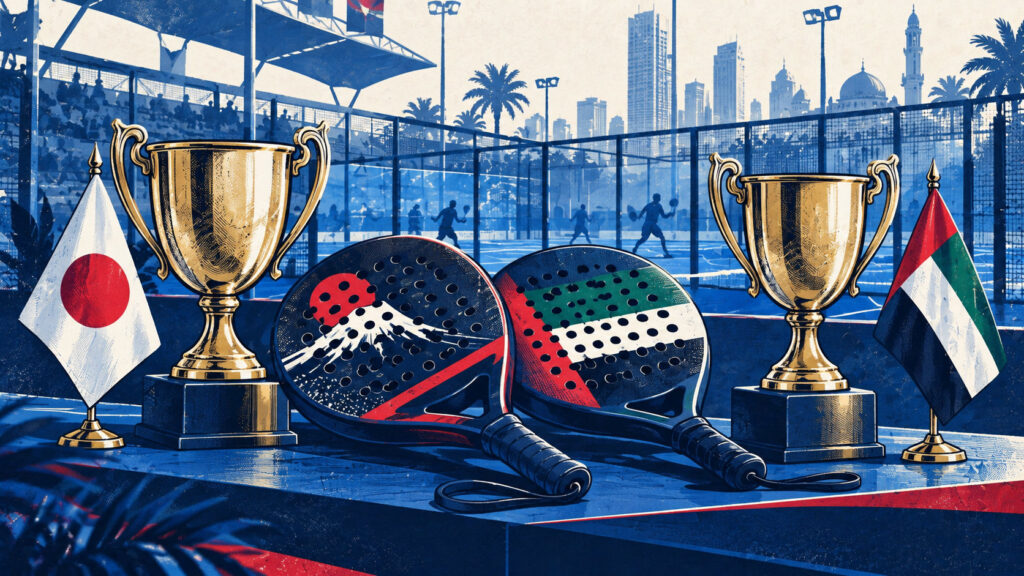
Japan won the women’s title and the United Arab Emirates took the men’s crown at the 2025 FIP Asia Padel Cup in Doha. The event ran from 17 to 24 October, bringing national teams together in a continental competition with separate men’s and women’s title races.
Japan defeated Iran 2–0 in the women’s final, while the UAE beat host Qatar 2–1 in the men’s championship tie. Indonesia secured the women’s bronze and Australia finished third in the men’s competition, establishing the leading places at the conclusion of the week.
Japan completes the women’s final
Japan’s title was decided through the first two matches of the final. The opening partnership recovered from a lost set to win, and the second Japanese pair completed the team victory in straight sets. Together, those results closed the tie without requiring a third deciding match.
That is the defining feature of national-team padel: separate partnerships contribute to one overall outcome. A pair’s own match has an immediate sporting meaning and also affects the position of the wider team. The national result is built from those contributions.
For Iran, reaching the final established a place among the leading women’s teams at this edition. Indonesia’s bronze added another result of regional interest, with FIP recording a 3–0 win over Australia in the third-place tie.
The final positions describe this competition and field. They provide a valuable continental reference without becoming a permanent verdict on every future encounter between the same countries. New selections and later events create different tasks.
The UAE wins a close men’s title tie
The men’s final finished 2–1 to the UAE against Qatar. That team score records a narrower overall margin than the women’s final, with the trophy depending on the combination of three match results.
A close team tie gives weight to each partnership’s performance. One match can change the national situation, and athletes waiting to play must remain ready while other results develop. The event asks the squad to function as a group as well as through its individual pairs.
For the host nation, the final brought Qatar into the last contest for the title. For the UAE, the victory completed the campaign with the championship. Australia took the men’s bronze, supplying the remaining podium position. The team format also gives waiting players a continuing role as supporters, with the next partnership needing to stay focused while the overall result is still being decided on another court.
The two title races gave Doha a clear set of leading results. Men’s and women’s teams followed separate paths, making it important to keep the competition and category attached to each country’s placing.
Thailand’s place in the week
Thailand’s women appeared in the Final 8, with FIP reporting an opening comeback victory over the Philippines. That result gives the Thai campaign a concrete match reference within the wider event, alongside the later television report describing a sixth-place finish.
The experience also belongs to the background of Thailand’s later Asian Games preparations. Competing against regional national teams supplies a different setting from regular club play, exposing partnerships to unfamiliar opposition under a shared national objective.
The value is practical rather than automatic. Athletes can take lessons from the opponents and situations they encountered, but a later event still requires fresh preparation and a new performance. Previous experience informs the task without completing it.
Doha’s 2025 competition left a defined regional record: Japan and the UAE as champions, Iran and Qatar as finalists, and Indonesia and Australia taking the respective bronze medals. Around those leading positions, teams including Thailand gained another competitive reference. The championship gave Asian padel a national-team stage whose meaning was established through the ties played, the partnerships contributing to them and the results that closed the week.
Reader comments
Share your view. Your email address will not be published.
Leave a Reply